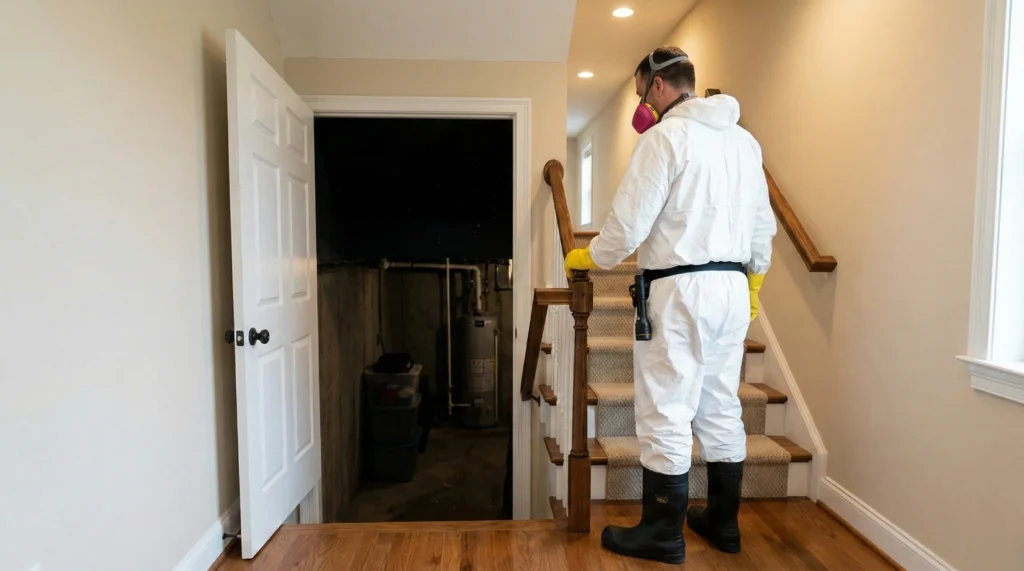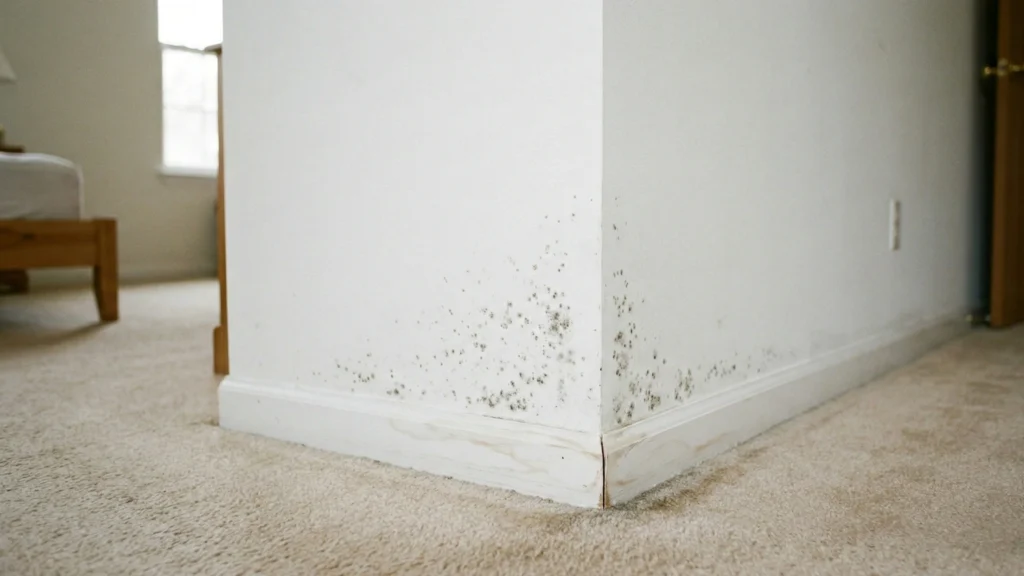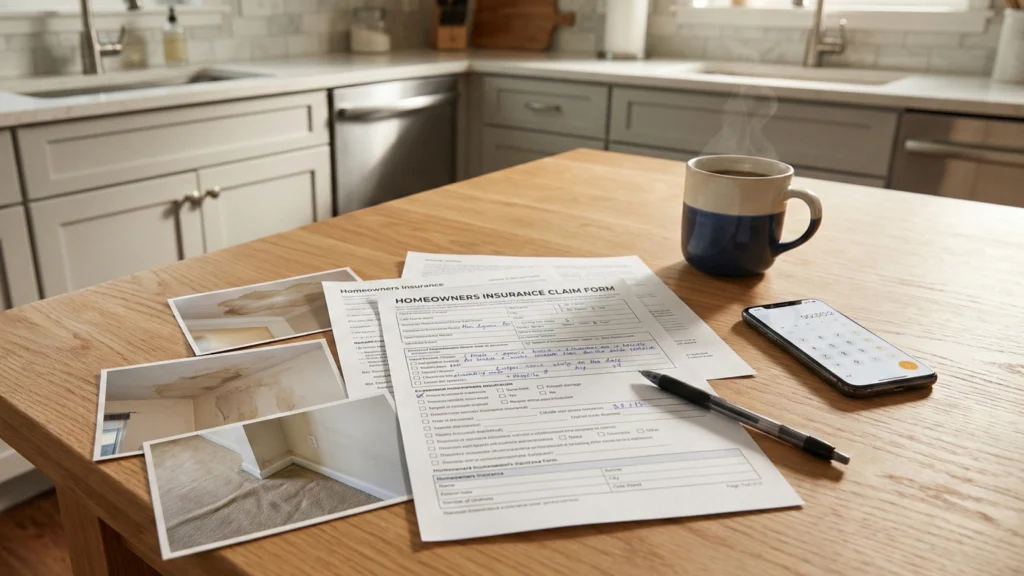


Water damage moves fast. Whether it started with a burst pipe, a failed sump pump, a leaking appliance, or storm-related flooding, the actions you take in the first 24 hours have a direct impact on how much damage your property sustains, how much the restoration will cost, and whether mold becomes part of the equation.
This guide covers exactly what to do, what to avoid, and when to call for professional help, with specific considerations for homeowners in Bucks County, Montgomery County, and the greater Philadelphia area where older homes, basement-heavy construction, and seasonal weather patterns create unique water damage risks.
First Priority: Make Sure the Area Is Safe
Before you touch anything or start cleaning up, assess whether the area is safe to enter. Water damage can create hidden hazards that are easy to overlook in the moment.
Check for electrical hazards. If standing water is near electrical outlets, appliances, or your breaker panel, do not enter the water. If you can safely access your electrical panel without stepping in water, turn off power to the affected area. If you cannot do so safely, stay out and call your utility company or an electrician.
Watch for structural risks. Water-saturated ceilings, floors, and walls can become unstable. If you notice sagging ceilings, bulging walls, or floors that feel soft or spongy underfoot, avoid those areas until a professional can assess the situation.
Identify the water source. If the water is coming from a clean source like a supply line or appliance, the immediate health risk is lower. If the water is coming from a sewage backup, a storm drain, or an unknown source, treat it as contaminated. Do not attempt to clean sewage or contaminated water yourself. This requires professional equipment and safety protocols.
The First Hour: Stop the Water and Protect What You Can
Once you have confirmed the area is safe to enter, your first job is to stop the source of water if possible.
Shut off the water supply. If the damage is caused by a plumbing issue, shut off the water supply to the affected fixture or the main water valve for the house. If you are not sure where your main shutoff valve is located, now is a good time to find it. In many homes in Bucks County and Montgomery County, especially older homes, the main valve is located near the water meter in the basement.
Move valuables out of harm’s way. Relocate electronics, documents, photos, and personal items to a dry area. Lift furniture off wet carpet or flooring by placing aluminum foil or plastic under the legs to prevent staining and further absorption.
Start removing standing water if it is manageable. For small amounts of water, towels, mops, and a wet/dry vacuum can help. For larger volumes, especially in basements, professional water extraction equipment is needed. Do not rely on household fans alone to dry a flooded area. They are not powerful enough to prevent secondary damage.
The First 6 Hours: Document Everything and Contact Your Insurance
Once the immediate emergency is stabilized, shift your focus to documentation and communication. This window matters more than most homeowners realize.
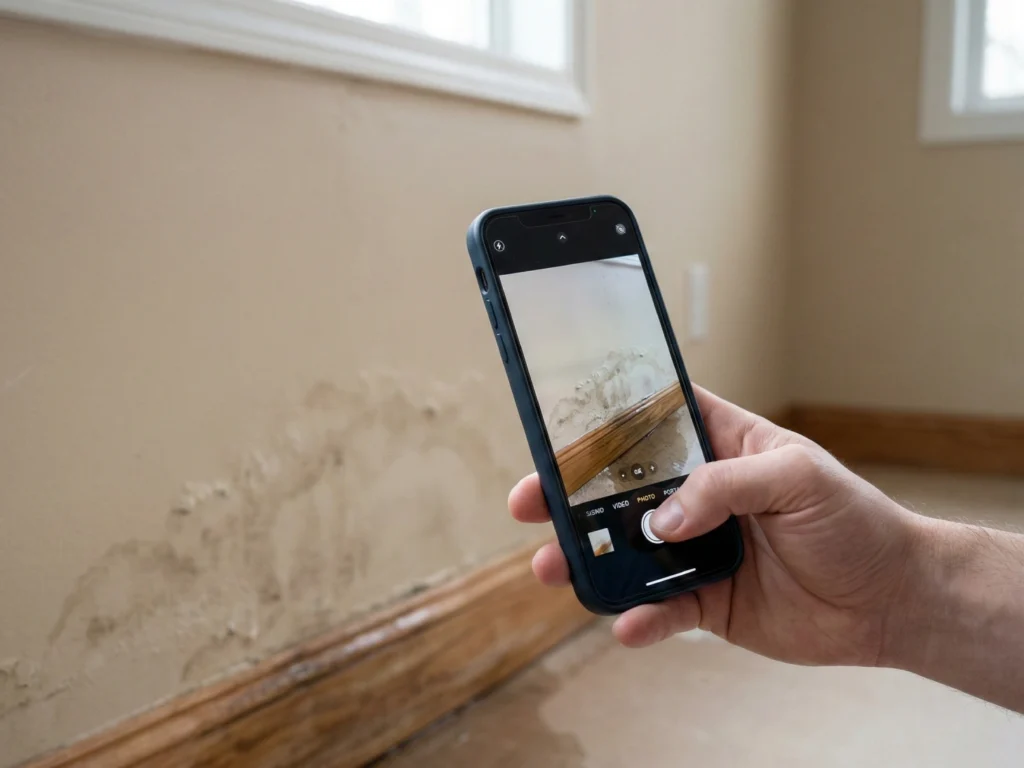
Document the damage thoroughly
Take wide-angle photos of every affected room. Take close-up photos of damaged materials, including walls, flooring, baseboards, and furniture. Capture the water source if it is visible. Record a video walkthrough of the affected areas, narrating what you see. Do not throw anything away yet if insurance may be involved. Adjusters need to see the damage.
This documentation protects you during the insurance claims process and gives your restoration company a clear starting point.
Contact your insurance company
Call your insurance carrier to report the damage as soon as possible. Most policies have reporting deadlines, and delays can complicate or even jeopardize your claim.
When you call, provide a brief description of what happened, when you discovered the damage, and what steps you have already taken to stop the water and protect your property. Ask your carrier about your coverage, your deductible, and what they need from you to process the claim.
You do not need to wait for an adjuster before starting cleanup or mitigation. In fact, most insurance policies require you to take reasonable steps to prevent further damage. Waiting too long can actually work against your claim.
Call a professional restoration company
For anything beyond a minor, contained spill, calling a professional restoration company within the first few hours is critical. Professional equipment like commercial-grade dehumidifiers, air movers, and moisture detection tools can identify and address hidden moisture that household tools simply cannot reach.
A restoration company experienced in insurance coordination can also help by documenting the damage to your carrier’s standards, communicating directly with your adjuster, and providing the scope of work documentation that supports your claim.
The First 24 Hours: Drying Is the Priority
Mold can begin developing within 24 to 48 hours in moist conditions. That makes the first 24 hours the most important window for preventing a water damage event from turning into a mold problem.
Professional drying involves more than removing visible water. After the standing water is extracted, moisture remains trapped in walls, subfloors, insulation, and structural materials. Professional restoration teams use moisture meters and thermal imaging to map where moisture is hiding, then place drying and dehumidification equipment strategically to address those areas.
“People see a dry floor and think the problem is solved. But I have pulled baseboards off walls that looked perfectly fine on the surface and found soaking wet drywall and insulation behind them. That hidden moisture is what causes the real problems down the road.”
— Alfred, Founder, Sunrise Water Damage
Drying is monitored daily. Moisture readings are taken and recorded to track progress and ensure conditions are improving. This monitoring continues until all affected materials return to acceptable moisture levels.
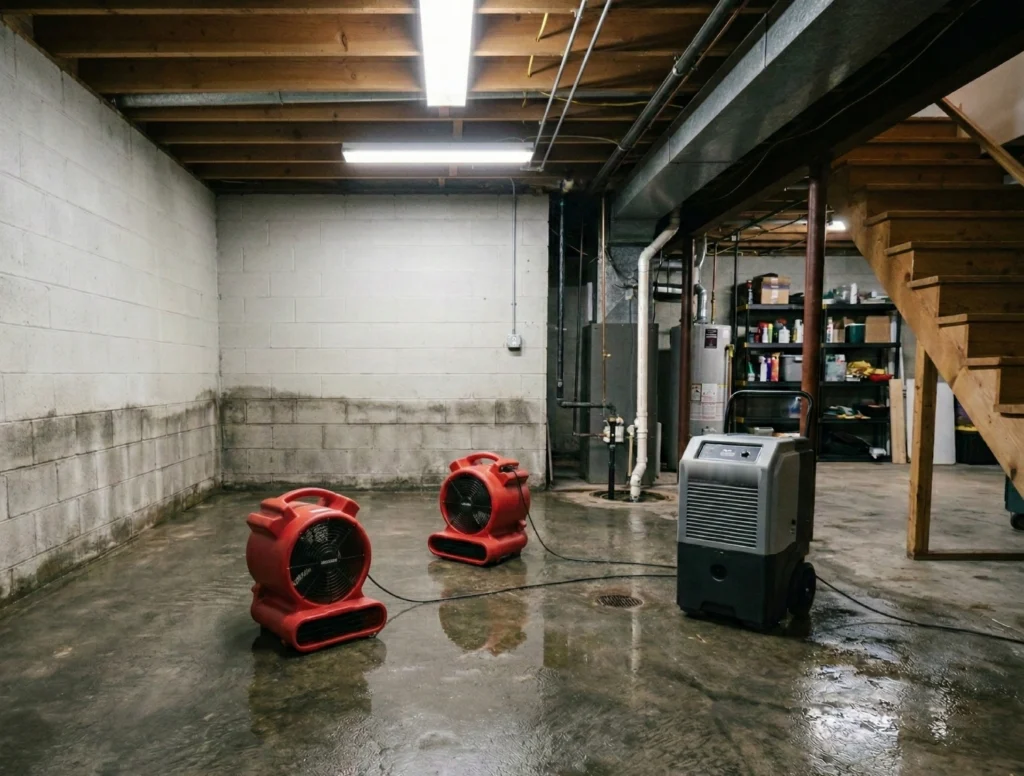
For homeowners in Bucks County and Montgomery County, basement water damage is especially common due to the region’s high clay content soil, which traps moisture against foundations and increases hydrostatic pressure during heavy rain and snowmelt. Older homes with stone or block foundations are particularly vulnerable. If your basement floods, professional drying is strongly recommended even if the water volume seems small, because moisture can easily migrate into wall cavities and under flooring without visible signs.
What NOT to Do After Water Damage
Knowing what to avoid is just as important as knowing what to do. Here are the most common mistakes homeowners make after water damage.
Do not assume it will dry on its own. Even if the surface looks dry, moisture can remain trapped in materials for days or weeks. Hidden moisture is the leading cause of mold growth after water damage.
Do not use bleach to “kill mold.” Bleach does not penetrate porous materials like drywall or wood. It may remove surface discoloration, but it does not address mold at the source and can create a false sense of security.
Do not turn on your HVAC system if water has entered the ductwork. Running the system can spread moisture and contaminants throughout the home. Have the system inspected before turning it back on.
Do not delay calling for help because you think the damage is minor. Water travels. What looks like a small leak in one room may have already spread behind walls and under flooring in adjacent rooms. The cost of professional assessment now is far less than the cost of mold remediation later.
“I cannot tell you how many jobs we have walked into where the homeowner said it was just a small leak. Then we put the moisture meter on the wall and find that water has traveled ten or fifteen feet in every direction. A small leak in the kitchen turns into a mold problem in the dining room two weeks later if you do not catch it early.”
— Kieth, Field Technician, Sunrise Water Damage
Do not throw away damaged items before your insurance company has a chance to document them. Take photos and keep a list, but leave items in place until your adjuster or restoration company confirms they have been documented.
When to Call a Professional vs. When You Can Handle It Yourself
Not every water event requires a professional response. Here is a general guideline.
You can likely handle it yourself if the water is from a clean source, the affected area is small and contained (a small section of flooring, a single room), you can dry the area completely within 24 hours, and there is no water behind walls, under flooring, or in structural materials.
Call a professional if the water is from an unknown or contaminated source, the affected area spans multiple rooms or involves a basement, water has been sitting for more than 24 hours, you suspect water has entered wall cavities, subfloors, or insulation, drywall is visibly wet or soft, there is a musty odor suggesting hidden moisture, or if insurance is involved and you need proper documentation.
Additional Resources
The Philadelphia Office of Emergency Management provides additional guidance on flood preparedness and response at their Flood Safety Resource Page.
Frequently Asked Questions
How quickly should water damage be addressed?
Water damage should be addressed as soon as possible, ideally within the first few hours. The longer water sits, the more it spreads into structural materials and the higher the risk of mold growth. Most insurance policies also require homeowners to take prompt action to mitigate damage.
Can water damage lead to mold?
Yes. Mold can begin growing within 24 to 48 hours in moist conditions. Proper drying and dehumidification are the most effective ways to prevent mold growth after a water event. If you are not confident the affected area has dried completely, a professional moisture assessment is recommended.
Does insurance cover water damage?
In most cases, homeowners insurance covers water damage caused by sudden, accidental events like burst pipes, appliance failures, or plumbing malfunctions. Damage caused by gradual leaks, lack of maintenance, or external flooding (such as storm surge or rising groundwater) is typically not covered under a standard policy. Flood damage requires a separate flood insurance policy.
What if I discover water damage that happened days or weeks ago?
Contact a restoration professional immediately. Even if the water is no longer visible, moisture may still be present in materials, and mold may have already started growing. A professional assessment with moisture detection equipment can determine the current condition and recommend next steps.
Need Emergency Help? Sunrise Water Damage Is Available 24/7
If you are dealing with water damage right now, do not wait. Our team provides emergency water damage response throughout Bucks County, Montgomery County, Delaware County, and select areas of Philadelphia. We work directly with insurance companies to handle documentation and reduce delays.