
How Home Insurance Works for Water Damage, Mold, and Fire: A Homeowner’s Guide
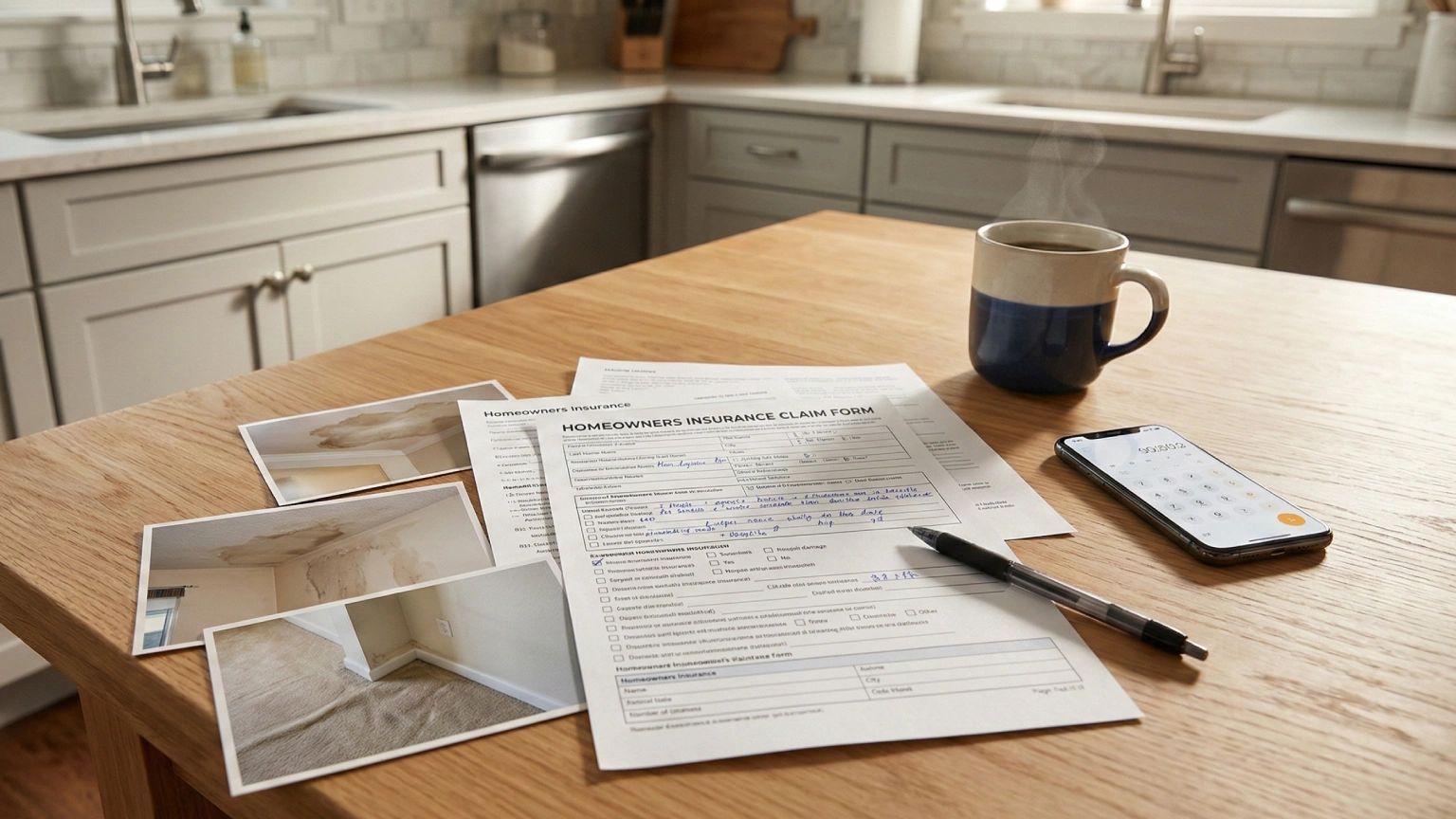
Dealing with property damage is stressful enough. Then you find out you also have to navigate your insurance policy, wait for an adjuster, and figure out who pays for what — and when. This guide breaks down exactly how the process works, what is and is not typically covered, and how to get the most out of your claim when the unexpected happens.
Whether you just discovered water in your basement, had a sewage backup, or are recovering from fire damage, understanding the insurance side of things upfront can save you thousands of dollars and a lot of unnecessary headaches.
Does Homeowners Insurance Cover Water Damage?
The short answer: it depends on what caused the water damage. Most standard homeowners insurance policies cover sudden and accidental water events — but not every situation qualifies.
What Types of Water Damage Are Typically Covered?
Insurance companies generally cover water damage that is sudden, internal, and accidental. Common covered events include:
Here is an important point that surprises many homeowners: even if the water damage was your fault — say you forgot about a running bathtub and flooded your bathroom — you can still be covered. Insurance is designed for accidents, including accidental ones caused by the policyholder.
Alfred, Co-founder: “My suggestion to homeowners is always to review your declaration page first. That’s where your actual coverage lives. What caused the water and where it came from are the two factors that drive whether something is covered.”
What Is Generally Not Covered?
Coverage exclusions matter just as much as what is included. The following are typically not covered under a standard homeowners policy:
The distinction between “sudden and accidental” and “gradual damage” is the line most disputes fall along. If an adjuster argues your damage was gradual rather than sudden, that is where having proper documentation and professional support makes a significant difference.
Is Sewage Backup Covered by Insurance?
This is one of the most common questions we get — and also one of the most misunderstood.
Sewage backups are not automatically excluded from coverage. Whether a sewage incident is covered comes down to the cause and how your policy is written. A sudden sewage backup caused by a clogged drain or a mainline blockage from inside the home may be covered. However, some policies require a specific sewer backup rider or endorsement that is separate from the base policy.
What You Should Do
If you experience a sewage backup, do not assume you are not covered. Contact your insurance company right away to understand your specific policy language. Then call a restoration company that has experience with hazardous sewage cleanup — the contamination involved makes this a job that requires professional equipment and protocols, not DIY cleanup.
Important note: Sewage cleanup is classified as Category 3 water — meaning contaminated water that poses genuine health risks. Beyond the insurance question, it should never be handled without proper protective equipment and training.
What Happens After You File a Water Damage Claim?
Once you contact your insurance company to report a loss, here is a general overview of what to expect:
Step 1: Your Insurance Assigns an Adjuster
Your insurance company will send one of their adjusters to inspect the damage. The adjuster’s job is to assess the cause of the loss, evaluate the extent of the damage, and write an estimate for what repairs will cost. They typically aim to respond quickly for active water damage events because delay can mean more expensive claims.
One thing to understand going in: the adjuster sent by your insurance company works for the insurance company. Their estimate represents the insurance carrier’s position on what the damage is worth — not necessarily the full story.
Step 2: Damage Documentation and Scope of Work
During the adjuster’s visit and throughout the restoration process, documentation is everything. Moisture readings, drying logs, photos before and after, and a detailed scope of work are all part of a well-supported claim. This documentation is what protects you from underpayment and helps avoid disputes down the line.
At Sunrise, we handle this documentation as part of our process — capturing moisture data, damage photos, and supporting materials that the adjuster and insurer can review.
Step 3: Estimate and Approval
Once the adjuster completes their assessment, they submit an estimate to the insurance company. You will typically receive a payment to cover mitigation (the emergency cleanup and drying) and a separate approval for the reconstruction portion — meaning the work to physically rebuild walls, flooring, or whatever was removed.
Restoration companies like Sunrise handle the mitigation side. You would hire a general contractor separately for the reconstruction, and your insurance covers that cost as well based on the adjuster’s approved scope.
Step 4: Payment
The insurance company pays the homeowner directly in most cases. You then pay the restoration company from those funds. If a public adjuster is involved, they typically receive the check and distribute funds according to the contract — taking their fee and releasing the remainder to you.
What Is a Public Adjuster and Should I Hire One?
A public adjuster is a licensed insurance professional who works exclusively for the policyholder — not the insurance company. Think of them the way you might think of an attorney in a legal dispute: they represent your side of the table.
While the insurance company’s adjuster is trained to assess and document damage, they are also trained to settle claims efficiently — which sometimes means lower offers. A public adjuster’s entire job is to make sure you get the maximum amount your policy allows.
What Does a Public Adjuster Actually Do?
How Much Does a Public Adjuster Cost?
Public adjusters work on contingency — meaning they only get paid if you get paid. They take a percentage of your final settlement, typically somewhere between 10% and 20% depending on the state, the size of the claim, and the individual adjuster. In Pennsylvania, rates vary but are regulated by the state insurance commissioner.
Because their fee scales with your settlement, they are highly motivated to maximize your payout. Many homeowners find that even after paying the public adjuster’s fee, their net recovery is significantly higher than what they would have received going it alone.
Alfred, Co-founder: “My suggestion is always to hire a public adjuster. Your insurance company’s adjuster will try to downplay the damage and pay you less than the damage is really worth. A public adjuster negotiates on your behalf — and because his fee depends on what you recover, he’s motivated to fight for the most money possible.”
When Is the Best Time to Bring in a Public Adjuster?
As early as possible — ideally before the insurance company’s adjuster even visits. Getting a public adjuster involved at the very start means they can document the damage before any cleanup occurs and build a claim from the ground up rather than trying to reopen and dispute one that is already filed.
That said, public adjusters can also step in mid-claim or after a denial. If you feel your settlement offer is too low or your claim was denied, it is still worth calling one to evaluate your options.
Does Insurance Cover Mold Remediation?
Mold coverage is one of the more nuanced areas of homeowners insurance. The general rule is this: if mold results directly from a covered water loss — like a burst pipe that was addressed promptly — the mold remediation is typically covered as part of that same claim.
However, if mold developed over time due to ongoing moisture issues, humidity, or a slow leak that was never repaired, most policies will not cover it. The reasoning is that gradual mold growth indicates a maintenance issue rather than a sudden accidental event.
Why Speed Matters for Mold and Insurance
Mold can begin growing within 24 to 48 hours after a water event if moisture is not properly addressed. This is a critical window. The faster you respond to water damage — and the faster professional drying begins — the less likely mold will become a separate, potentially uncovered problem on top of an already covered water loss.
Proper drying documentation from a restoration company is also useful for the insurance claim: it demonstrates that appropriate mitigation steps were taken immediately, which supports the idea that any mold growth was a result of the event and not pre-existing neglect.
Does Insurance Cover Fire Damage?
Fire damage is generally one of the more straightforward areas of homeowners insurance. Most standard policies cover fire, smoke, and soot damage to the structure and personal belongings. They also often include coverage for:
The documentation process for fire claims is similar to water: the adjuster assesses the damage, writes an estimate, and the insurance company pays out based on the approved scope. Public adjusters are particularly valuable in fire claims because fire damage is complex, often spreads into areas that are not immediately visible, and can involve disputes over what is salvageable vs. what needs to be replaced.
Who Pays the Restoration Company — Me or My Insurance?
This is one of the first questions most homeowners ask, and understandably so. Here is how it typically works:
Your insurance company pays you. You then pay the restoration company from those funds. Sunrise Water Damage works directly with insurance companies — meaning we coordinate with your adjuster, handle documentation, and align our scope of work with what insurance is covering. This reduces friction for you and helps move the claim forward faster.
You do not typically need to pay out of pocket upfront for covered work. Your deductible is the main out-of-pocket expense you should expect, and in most cases that is paid at the time of service.
What About My Deductible?
Your deductible is the amount you pay before insurance kicks in. If your deductible is $1,000 and the total claim is $15,000, insurance covers $14,000 and you are responsible for the $1,000 deductible. Some policies have percentage-based deductibles for certain events like wind or hail — your declaration page will spell this out.
What Should I Do Right Away After Water, Sewage, or Fire Damage?
The first 24 hours after a property damage event are critical — both for limiting the damage itself and for protecting your insurance claim. Here are the key steps:
One thing many homeowners do not realize: what you say to the insurance company in those first calls matters. The terminology you use can affect how your claim is categorized. If you are unsure, let a restoration professional or public adjuster guide the conversation.
Common Questions About Water Damage and Insurance
Can I use my own contractor for repairs?
In most cases, yes. While some insurance companies have preferred vendor lists, you generally have the right to hire your own licensed contractor for reconstruction work. You may need to get approval on the scope of work and costs from your insurer before proceeding.
What if my claim is denied?
A denial is not always the final word. You can request a detailed explanation in writing, gather additional documentation or contractor estimates, and file an appeal. A public adjuster can be especially helpful at this stage to identify whether the denial is legitimate or if there is a basis for challenging it.
Will filing a claim raise my insurance rates?
Possibly. Filing a water damage claim may affect your premiums at renewal, depending on your carrier and your claims history. This is worth discussing with your insurance agent before filing for smaller losses where the repair cost is close to your deductible.
Does insurance cover the rebuild after restoration is complete?
Yes, that is the reconstruction portion of the claim. Once mitigation is complete — meaning the water is removed, the area is dried, and damaged materials are removed — the insurance estimate will also include what it costs to rebuild. Flooring, drywall, cabinetry, and fixtures that were removed as part of the restoration are all typically included in the overall claim.
How long does the insurance process take?
Timelines vary significantly based on the complexity of the loss, your insurance company, and whether disputes arise. Simple claims can move within a few weeks. Larger or more complex losses, or claims that involve disputes between the homeowner and insurer, can take several months. Having organized documentation and, in complex cases, a public adjuster can help keep things moving.
What is a “declaration page” and why does it matter?
Your declarations page — often called the “dec page” — is a summary at the front of your policy that outlines your coverages, limits, deductibles, and endorsements. It is the first thing a restoration company or public adjuster will ask to review. Not all policies are written the same way, and understanding yours before a loss occurs is always the right move.
Insurance Companies We Work With
No matter who your carrier is, we handle the coordination so you don’t have to. Below are the most common homeowners insurance companies serving Pennsylvania and New Jersey. If you see your carrier on this list — or even if you don’t — call us and we will take it from there.
Whether your policy is straightforward or complicated, our team knows how to work with insurance adjusters to document damage, support your claim, and keep the process moving. One call to us starts everything.
How Sunrise Water Damage Supports Your Insurance Claim
From the moment we arrive on-site, we work with the goal of both restoring your property and supporting a smooth insurance process. That means:
We serve homeowners and businesses throughout Bucks County, Montgomery County, Delaware County, and select areas of Philadelphia. If you are dealing with water damage, fire damage, a sewage backup, or mold issues, our team is available 24/7.