

When water damage hits your home, one of the first questions that comes to mind is whether your insurance will cover it. The answer depends on what caused the damage, how your policy is written, and how quickly you respond.
Insurance coverage for water damage is one of the most misunderstood areas of homeowners insurance. Some causes are almost always covered. Others are almost never covered. And there is a gray area in between where documentation, timing, and the right restoration partner can make or break a claim.
This guide breaks down what Bucks County and Montgomery County homeowners need to know about water damage insurance coverage, common claim pitfalls, and how working with a professional restoration company can help protect your financial interests.
What Types of Water Damage Are Typically Covered?
Most standard homeowners insurance policies cover water damage that is sudden and accidental. This is the key phrase insurers use to determine whether a water event qualifies for coverage.
Generally covered causes include:
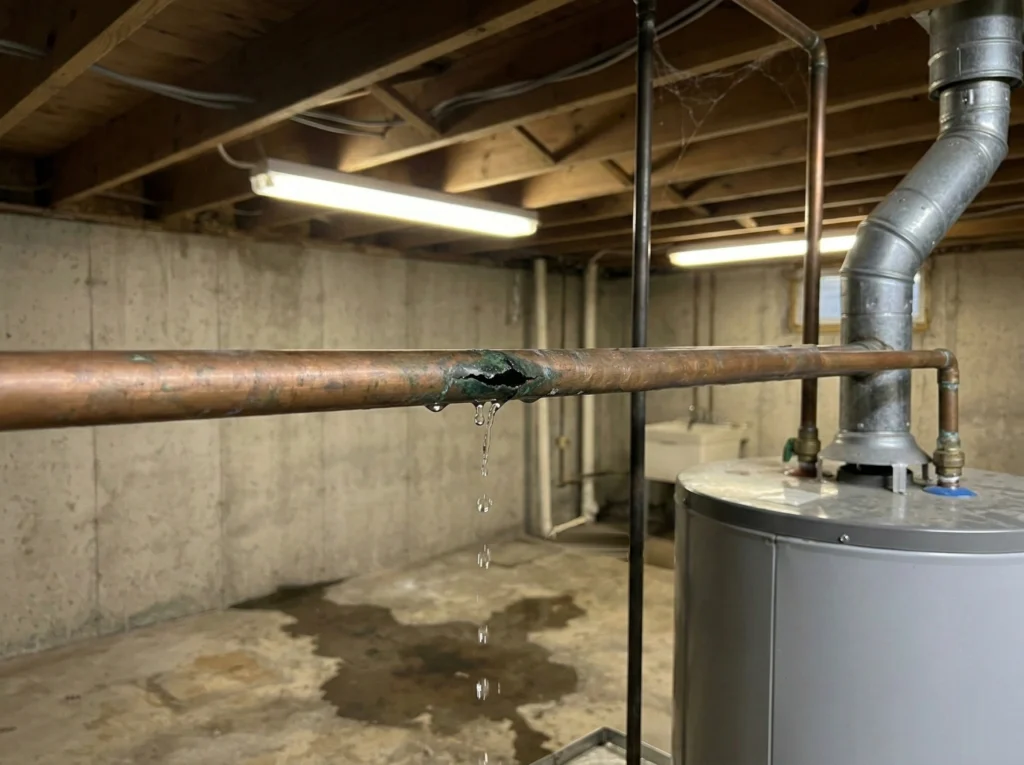
Burst or frozen pipes. Sudden plumbing failures, such as a supply line to a washing machine or dishwasher breaking. Accidental appliance leaks, like a water heater rupturing or a refrigerator line failing. Accidental toilet overflows. Water damage caused by firefighting efforts during a covered fire loss. Ice damming that causes water to back up under the roof and into the home.
In most of these scenarios, both the cost of emergency mitigation (water extraction, drying, dehumidification) and the cost of restoring damaged materials (drywall, flooring, trim, paint) are covered under the policy, minus your deductible.
What Types of Water Damage Are Typically NOT Covered?
This is where many homeowners are caught off guard. Standard policies have clear exclusions for certain types of water damage.
Generally not covered:
Flooding from external sources, including rising groundwater, river overflow, storm surge, and surface water that enters the home from outside. This is the single biggest gap in homeowners insurance. Flood damage requires a separate flood insurance policy, typically purchased through the National Flood Insurance Program (NFIP) or a private flood insurer.
Gradual leaks and slow water damage. If a pipe has been leaking behind a wall for weeks or months, insurers often deny the claim on the grounds that the damage was caused by a maintenance issue, not a sudden event. This is one of the most common reasons for water damage claim denials.
Sewer and drain backups, unless you have purchased a separate endorsement. Many standard policies exclude damage from sewer lines, drain backups, and sump pump failures. However, most carriers offer a sewer backup endorsement (sometimes called water backup coverage) that can be added to your policy for a relatively low additional premium. If you own a home in Bucks County or Montgomery County with a basement, this endorsement is worth looking into seriously.
Neglect or failure to maintain. If an insurer determines that the damage could have been prevented with reasonable maintenance, such as replacing a visibly corroded pipe or maintaining a sump pump, coverage may be denied.
Mold that results from a maintenance issue rather than a covered loss. We cover this in detail below.
The Gray Area: When Coverage Depends on the Details
Some water damage claims fall into a gray area where the cause of the damage and the timing of discovery both matter.
Hidden leaks are a common example. If a pipe inside a wall fails suddenly and you discover the damage the same day, coverage is usually straightforward. But if the pipe has been leaking slowly and mold has developed behind the wall over several weeks, the insurer may argue that the damage was gradual and deny part or all of the claim. This is why prompt detection and response matter so much.
Secondary damage is another area where disputes arise. If water damage occurs and the homeowner delays cleanup, the insurer may cover the initial damage but deny coverage for any secondary damage (such as mold growth) that resulted from the delay. Most policies include language requiring the homeowner to take reasonable steps to protect the property after a loss.
Combined causes can also complicate claims. For example, if a storm causes a tree to fall on your roof and rainwater enters the home, that is typically covered. But if the same storm causes external flooding that enters through the basement, the flood portion would not be covered under a standard policy.
Does Insurance Cover Mold From Water Damage?
Mold coverage is one of the most frequently asked questions in water damage restoration, and the answer is nuanced.
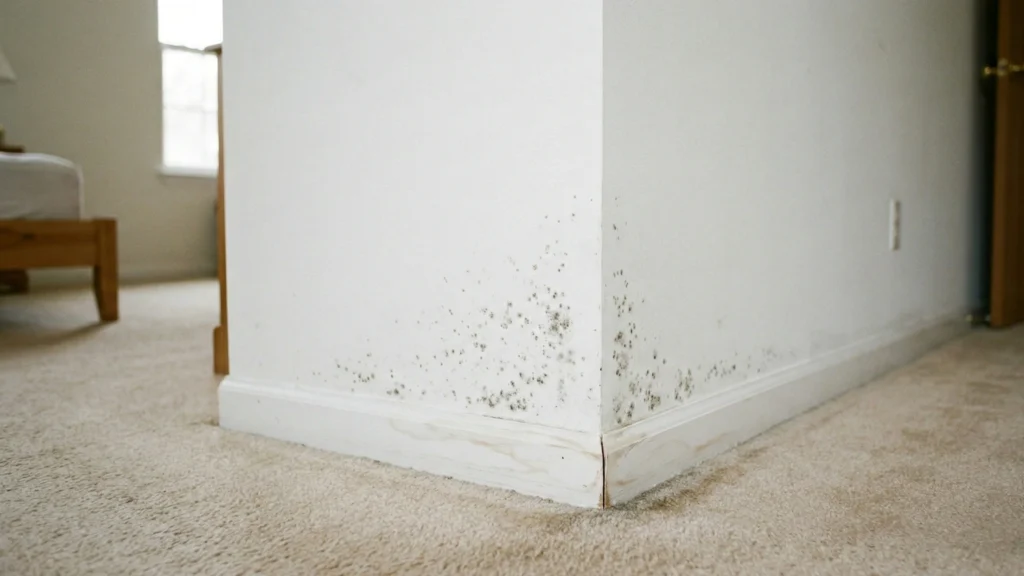
Mold is generally covered when it is a direct result of a sudden, covered water loss. For example, if a burst pipe floods your basement and mold develops because the water was not dried in time, the mold remediation may be covered as part of the original water damage claim.
Mold is generally not covered when it results from a long-term moisture issue, poor ventilation, a gradual leak, or a maintenance failure. In these cases, most standard policies exclude mold coverage.
Many policies cap mold coverage. Even when mold is covered, many homeowners policies include a sublimit for mold remediation, often in the range of $5,000 to $10,000. This means that even if your water damage claim is approved, the mold portion of the restoration may be capped regardless of the actual cost.
This is one of the strongest reasons to address water damage quickly. Preventing mold growth within the first 24 to 48 hours protects your property and keeps your insurance claim cleaner and less complicated.
How the Claims Process Works for Water Damage
Understanding the basic flow of a water damage insurance claim can help you avoid common mistakes and set realistic expectations.
Common Mistakes That Can Hurt Your Claim
Waiting too long to report the damage. Even a delay of a few days can raise questions with your carrier. Report the damage as soon as you discover it.
Not documenting the damage before cleanup begins. Once water is extracted and materials are removed, the visible evidence of the damage is gone. Photos, videos, and moisture readings taken before and during mitigation are critical for supporting your claim.
Throwing away damaged materials before the adjuster reviews them. Keep damaged items or at least photograph them thoroughly before disposal. Your adjuster needs to verify the loss.
Assuming all water damage is covered. Understanding the difference between sudden and gradual damage, and between water damage and flood damage, can help you set realistic expectations and avoid surprises.
Not reading your policy. Many homeowners do not know whether they have sewer backup coverage, what their mold sublimit is, or what their deductible amount is until after a loss occurs. Reviewing your policy now, before you need it, is one of the best things you can do.
Why Working With a Restoration Company Matters for Insurance
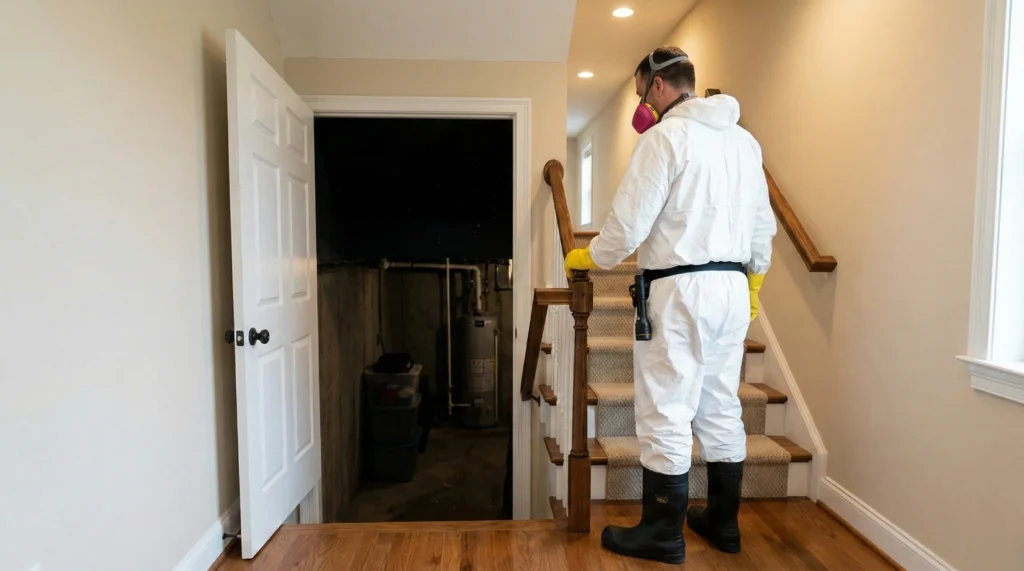
A professional restoration company experienced in insurance claims can make a significant difference in how smoothly your claim is processed. Here is why.
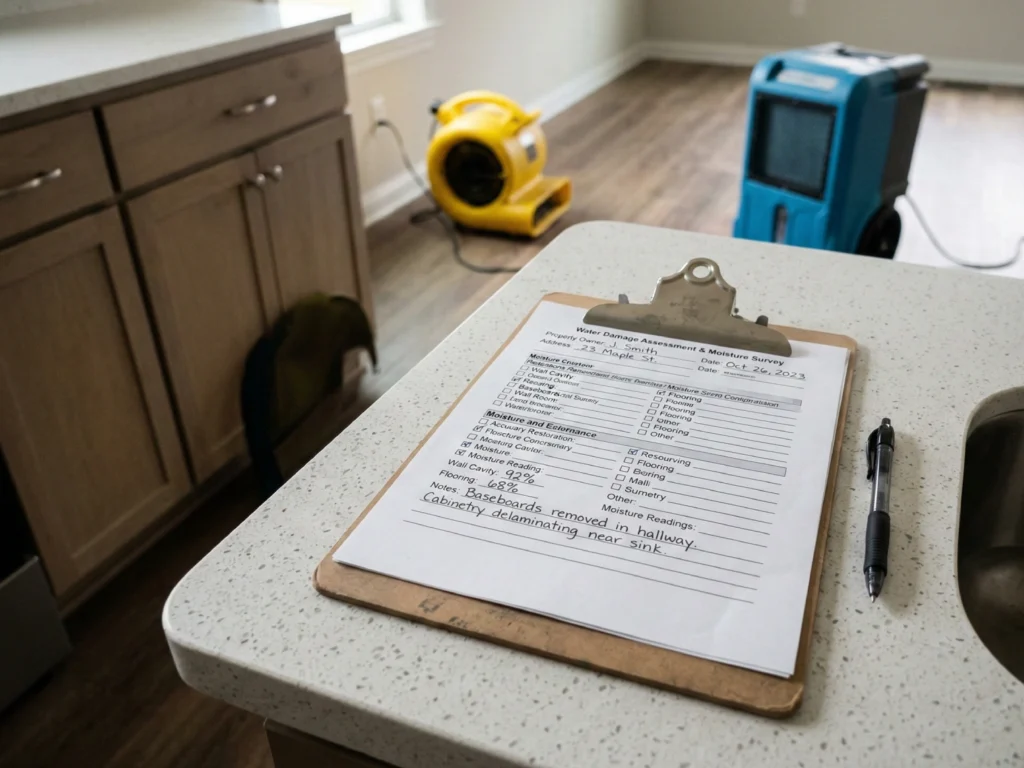
Proper documentation from day one. Restoration professionals document damage using the same standards and tools that insurance adjusters rely on, including moisture readings, drying logs, photo documentation, and detailed scope of work reports. This reduces disputes and speeds up approvals.
“The documentation we provide on day one is what makes or breaks the claim weeks later. We take moisture readings, photos, and detailed notes from the moment we walk in. When the adjuster reviews the file, everything lines up. That is how you avoid delays and denials.”
— Kieth, Field Technician, Sunrise Water Damage
Direct communication with adjusters. Rather than playing middleman between your restoration company and your insurance carrier, a company that works directly with insurers handles that coordination on your behalf.
Direct billing. Companies that bill insurance directly can reduce or eliminate the need for you to pay large sums upfront and wait for reimbursement. You may only be responsible for your deductible.
Scope alignment. Restoration companies that work with insurance regularly understand what carriers expect in terms of documentation, pricing, and process. This alignment helps prevent claim delays and reduces the chance of denied line items.
A Note for Bucks County and Montgomery County Homeowners
The housing stock and geography of Bucks County and Montgomery County create some specific insurance considerations worth knowing about.
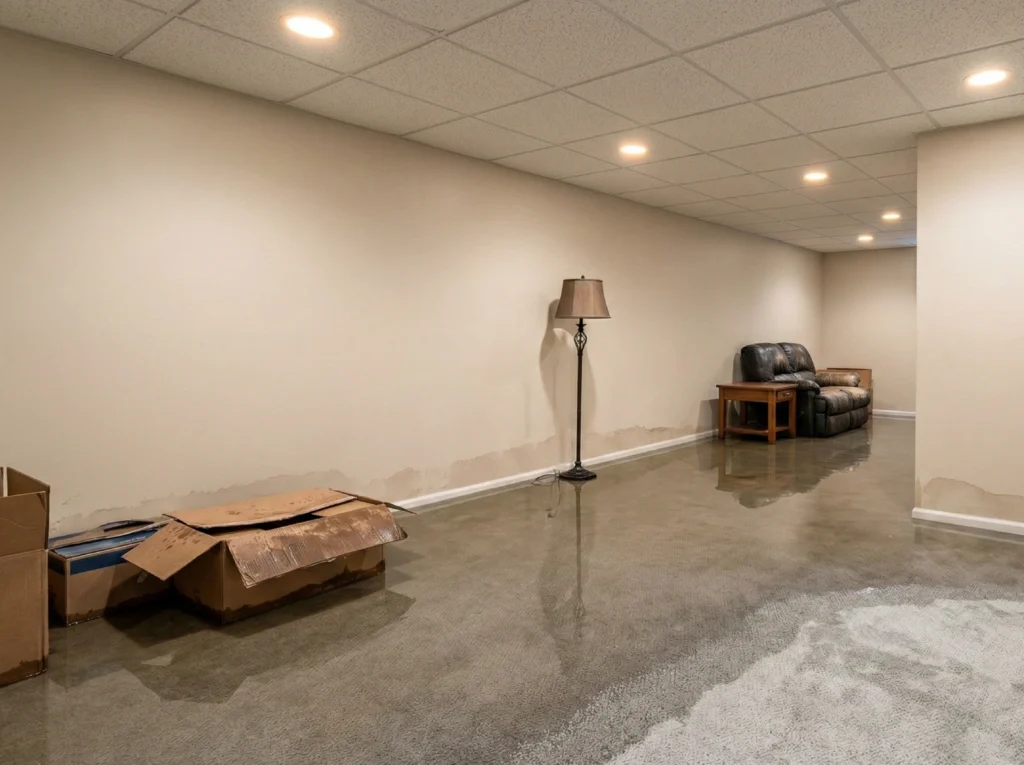
Basement flooding is common in this region due to high clay content soil, seasonal freeze-thaw cycles, and older drainage infrastructure. If your home has a basement, especially a finished basement, make sure your policy includes sewer and water backup coverage.
“I would say at least half the basement jobs we respond to in Bucks County, the homeowner finds out after the fact that they do not have sewer backup coverage on their policy. It is usually just a few dollars a month to add. If you have a basement in this area, call your agent and make sure you have it.”
— Alfred, Founder, Sunrise Water Damage
Older homes have higher risk. Many homes in the region have aging plumbing, original cast iron or galvanized pipes, and stone or block foundations that are more susceptible to water intrusion. Insurers may scrutinize claims more closely in older homes if they suspect a maintenance issue contributed to the damage.
Flood zones. Parts of lower Bucks County and areas near the Schuylkill and Delaware rivers may fall within FEMA-designated flood zones. If your property is in or near a flood zone, standard homeowners insurance will not cover flood-related water damage. A separate flood policy is required.
Additional Resources
For more information on flood insurance and the National Flood Insurance Program, visit FEMA’s Flood Insurance Resource Page.
Frequently Asked Questions
Does insurance cover water damage from a burst pipe?
Yes, in most cases. Burst pipes are considered sudden and accidental events and are typically covered under standard homeowners insurance. Coverage usually includes both mitigation (water extraction, drying) and restoration (repair of damaged materials).
Does insurance cover basement flooding?
It depends on the cause. Flooding from a burst pipe or appliance failure in the basement is usually covered. Flooding from external sources like groundwater, heavy rain, or rising water tables is not covered under standard policies. Sewer backup coverage, if added to your policy, may cover damage from drain and sewer line backups.
Will my insurance pay for mold remediation?
Mold may be covered if it results directly from a sudden, covered water event. Most policies cap mold coverage at a set dollar amount. Mold resulting from gradual leaks, poor maintenance, or long-term humidity issues is generally excluded.
Do I have to use the restoration company my insurance recommends?
No. You have the right to choose any qualified restoration company. A reputable company will work directly with your insurance carrier regardless of whether they are on a preferred vendor list.
Should I file a claim for minor water damage?
That depends on the extent of the damage and your deductible. If the cost of cleanup and repairs is close to or below your deductible, filing a claim may not provide a financial benefit and could affect your claims history. For larger losses, filing promptly is important to preserve your coverage.
Sunrise Water Damage Works Directly With Insurance Companies
Navigating insurance after water damage should not be something you have to figure out on your own. Sunrise Water Damage works directly with insurance carriers to document damage, communicate with adjusters, and streamline the claims process for homeowners throughout Bucks County, Montgomery County, Delaware County, and select areas of Philadelphia.
Call now to speak with our team about your water damage situation.