

Property damage is stressful. Enough without the added anxiety of not knowing what comes next. If you have never worked with a restoration company before, the process can feel overwhelming. What will they do when they arrive? How long will it take? Will your insurance cover it? Do you need to leave your home?
This guide walks through exactly what happens when you call a professional restoration company for water damage, fire damage, or mold services, from the initial phone call through final verification. No surprises, no confusion, just a clear picture of how the process works so you can focus on what matters most.
What Happens When You Call a Restoration Company?
When you call a restoration company, a team member will gather basic information about the situation, assess the urgency, and coordinate a response. For emergencies like active water damage or sewage backups, most professional restoration companies respond the same day, often within hours. For non-emergency situations like mold concerns or scheduled assessments, the team will work with you to set up an appropriate timeline.
Here is what the process typically looks like from start to finish.
Phase 1: The Initial Call
The first call is about understanding the situation and getting help on the way. A team member will ask you a few basic questions to assess what is happening and what needs to happen next.
Information that helps the team respond quickly:
Your name, phone number, and property address. The type of damage you are dealing with (water, fire, smoke, mold, sewage). When the damage occurred or when you first noticed it. Whether the situation is actively getting worse. Whether you have already contacted your insurance company. Your insurance carrier name and policy number, if available.
You do not need to have all of this information ready. The priority is getting a professional to your property as quickly as possible, especially during an active emergency like flooding or a sewage backup. Details can be gathered and confirmed once the team arrives.
Phase 2: Emergency Response and Assessment
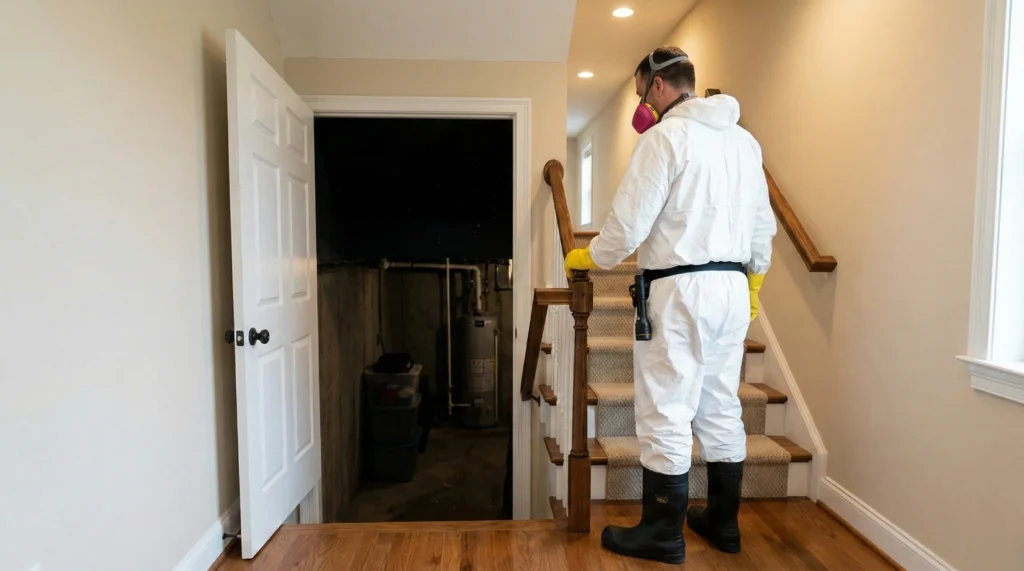
For emergency situations, a restoration team will arrive at your property prepared to assess the damage and begin immediate mitigation work. This is the most time-sensitive phase because limiting the spread of damage in the first hours can significantly reduce the overall scope and cost of restoration.
What the team does on arrival:
The team conducts a safety assessment first. They check for electrical hazards, structural concerns, contamination risks, and any conditions that could be dangerous for you or the crew. If the property is not safe to enter, they will let you know and explain next steps.
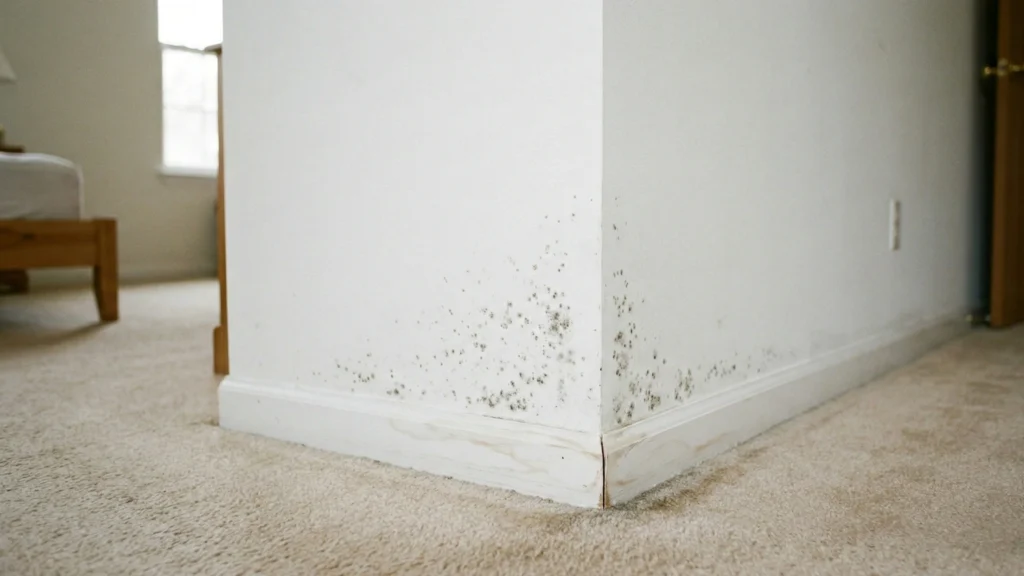
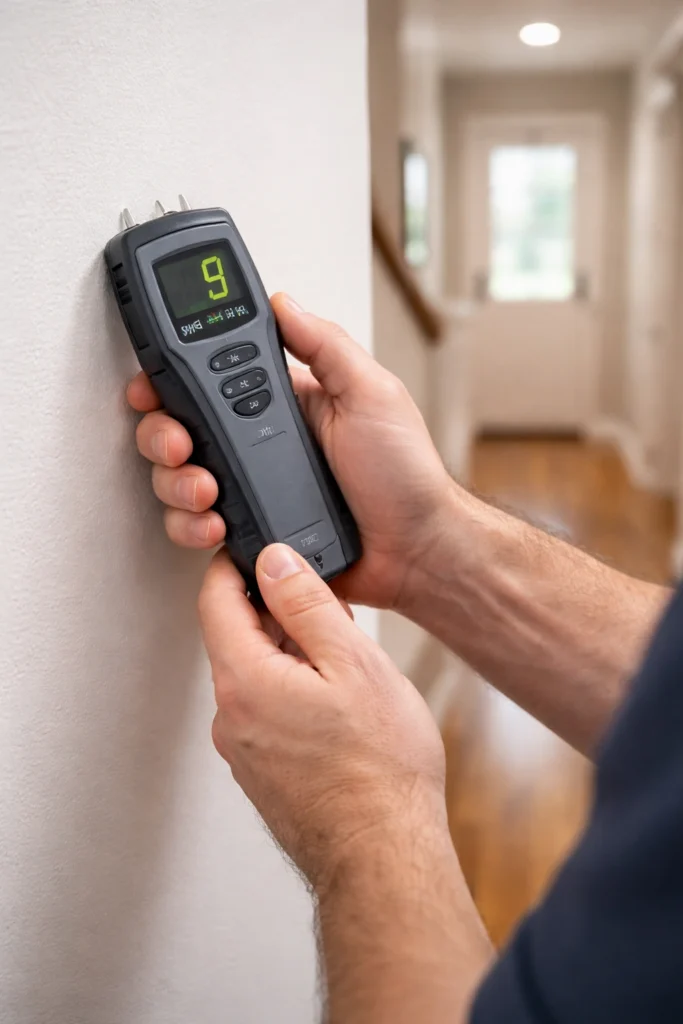
Once safety is confirmed, the team performs a thorough damage assessment. For water damage, this includes using moisture detection equipment to identify how far water has traveled, including behind walls, under flooring, and into structural materials that may appear dry on the surface. For fire damage, the team evaluates smoke, soot, and structural impact. For mold, the team inspects visible growth and moisture conditions to determine the scope of remediation needed.
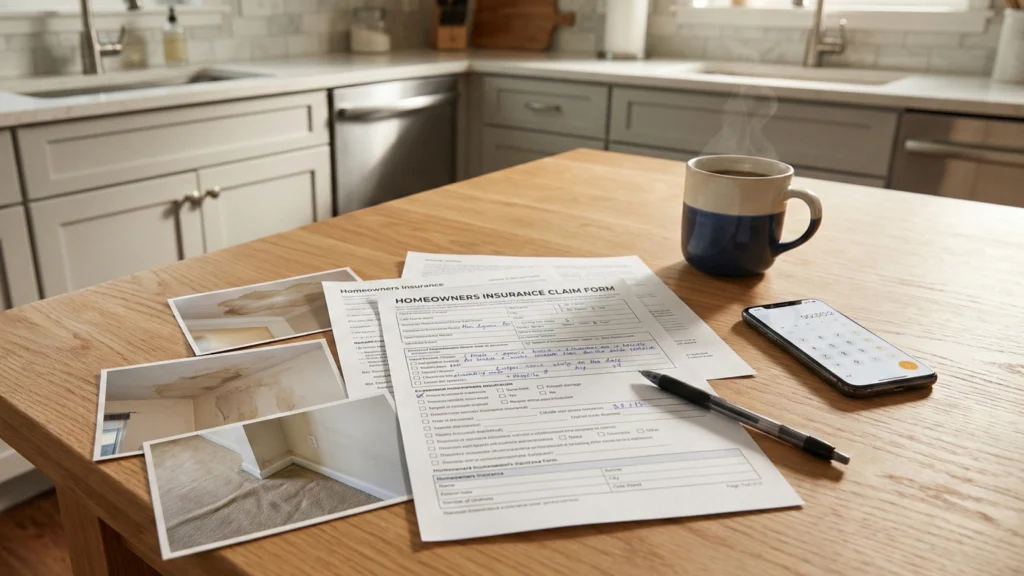
The assessment is not just about understanding the damage. It also creates the foundation for insurance documentation, which is a critical part of protecting your financial interests throughout the process.
“The first thing we do when we walk in is make sure everyone is safe. After that, we are looking at what happened, how far the damage has traveled, and what we need to do right now to keep it from getting worse. That assessment sets the tone for the entire project.”
— Kieth, Field Technician, Sunrise Water Damage
Phase 3: Mitigation and Containment
Mitigation is the work done to stop damage from getting worse. This phase begins immediately after the assessment and is often the most urgent part of the entire restoration process.
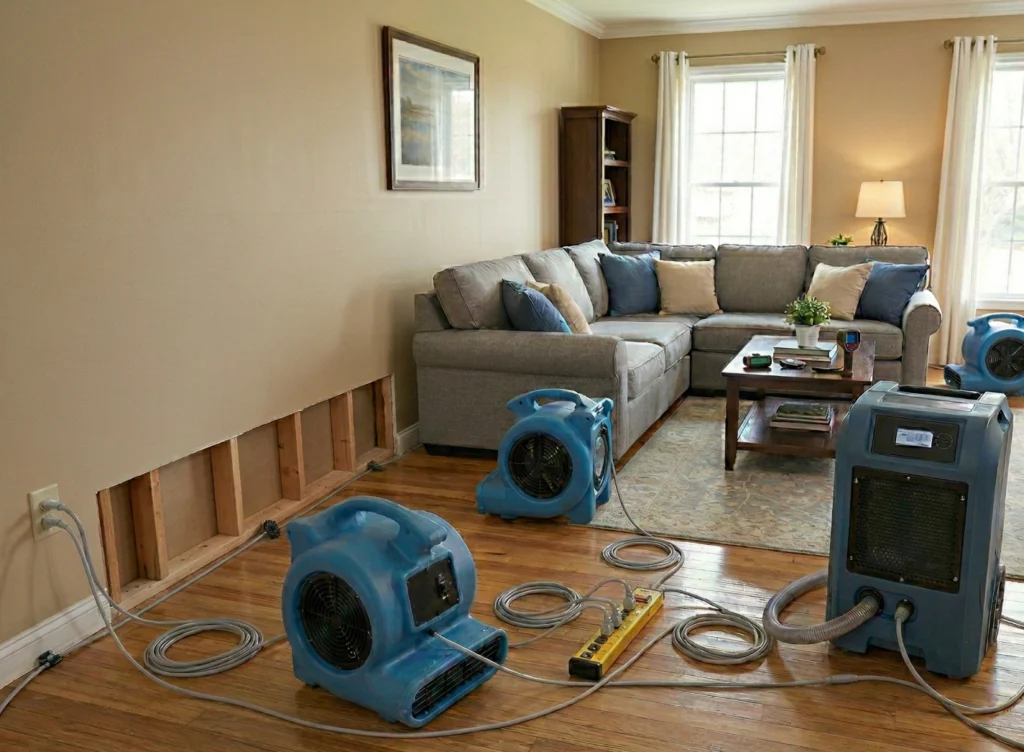
For water damage, mitigation typically includes extracting standing water, setting up professional drying and dehumidification equipment, removing saturated materials that cannot be saved, and establishing airflow to accelerate drying. The goal is to remove moisture as quickly as possible to prevent secondary damage like mold growth, which can begin within 24 to 48 hours.
For fire damage, mitigation focuses on securing the property (board-up if needed), removing debris and damaged materials, and beginning smoke and soot cleanup to prevent further staining and corrosion.
For mold, mitigation involves setting up containment barriers and air filtration to prevent mold spores from spreading to unaffected areas during the remediation process.
Throughout mitigation, the team documents everything. Photos, moisture readings, equipment logs, and detailed notes are captured from day one. This documentation is essential for supporting your insurance claim and ensuring nothing is missed.
Phase 4: Documentation and Insurance Coordination
One of the most valuable things a professional restoration company provides is handling the documentation and insurance communication that most homeowners find overwhelming.
What documentation looks like in practice:
Detailed photo documentation of all affected areas before, during, and after work. Moisture readings and drying logs that track progress over time. A clear scope of work outlining exactly what needs to be done and why. Communication with your insurance adjuster to align on the scope, timeline, and coverage.
A restoration company that works directly with insurance companies can help reduce delays, avoid miscommunication, and minimize out-of-pocket costs. The company handles the back-and-forth with your carrier so you do not have to navigate that process on your own during an already stressful time.
“Most homeowners have never filed a water damage claim before. They do not know what the insurance company needs or how to document things properly. That is where we step in. We handle that communication so the homeowner can focus on their family and getting back to normal.”
— Alfred, Founder, Sunrise Water Damage
If you have not yet filed a claim, the restoration team can often help you initiate that process and provide the documentation your carrier will need.
Phase 5: Restoration and Cleanup
Once mitigation is complete and the affected areas are stabilized, the restoration phase begins. This is the work that returns your property to its pre-damage condition.
Restoration may include:
Replacing drywall, flooring, trim, and other materials that were removed during mitigation. Repainting and refinishing affected surfaces. Deep cleaning and sanitizing areas that were impacted by water, smoke, soot, or contamination. Odor removal and deodorization for fire and smoke damage. Final mold remediation cleanup and air quality verification.
The scope of restoration depends entirely on the extent of the original damage. Some projects wrap up in a few days. Others involving significant structural work may take several weeks. Your restoration team should provide a clear timeline and keep you updated throughout.
Phase 6: Final Walkthrough and Verification
Before the project is considered complete, the restoration team performs a final inspection to verify that all work has been done properly and that moisture levels, air quality, and structural conditions meet the required standards.
What this looks like:
A walkthrough of all affected areas with you to review the completed work. Final moisture readings to confirm that drying is complete. Verification that all documented items have been addressed. Any remaining insurance paperwork or communication is finalized.
This is your opportunity to ask questions, raise concerns, and make sure you are completely satisfied before the project closes out.
Additional Resources
For more information on emergency preparedness in Pennsylvania, visit the Pennsylvania Emergency Management Agency’s Disasters and Emergencies Guide.
Common Questions Homeowners Ask
Do I need to leave my home during restoration?
It depends on the type and extent of the damage. For minor water damage in one area of the home, you can usually stay. For extensive water damage, fire damage, or mold remediation involving multiple rooms, temporary relocation may be recommended for your comfort and safety. Your restoration team will advise you based on the specific conditions.
How long does the restoration process take?
Timelines vary based on the type of damage, the size of the affected area, and the materials involved. Water damage drying typically takes several days. Full restoration including repairs can take one to several weeks. Your team should provide a realistic timeline after the initial assessment and keep you informed of any changes.
Will I have to pay out of pocket?
Many professional restoration companies bill insurance directly, which means you may only be responsible for your deductible. Coverage depends on your policy and the cause of the damage. A restoration company experienced in insurance coordination can help you understand what is and is not covered before work begins.
Can I choose my own restoration company?
Yes. You are not required to use the company your insurance carrier recommends. You have the right to choose a restoration company you trust, and a qualified company will work directly with your insurer regardless of whether they are on a preferred vendor list.
What if I am not sure whether I need a professional?
If you are unsure whether the damage warrants professional help, call and describe the situation. A reputable restoration company will give you honest guidance and will not pressure you into services you do not need. In many cases, a quick conversation can help you determine whether professional response is necessary or whether the situation is manageable on your own.
When You Need Help, Sunrise Water Damage Is Here
Property damage does not follow a schedule, and neither do we. Our team is available 24/7 to respond to water damage, fire damage, mold issues, and other restoration emergencies throughout Bucks County, Montgomery County, Delaware County, and select areas of Philadelphia.
We work directly with insurance companies to help simplify the process and reduce stress during an already difficult time.